CPC Documents: The Script to Get Them From Suppliers

A Children’s Product Certificate (CPC) is a must-have compliance document for many products made for kids 12 and under.
A CPC is a written certificate stating that a children’s product complies with applicable CPSC safety rules.
The manufacturer or importer must create and issue the CPC. A testing lab provides results, but it does not issue the certificate.
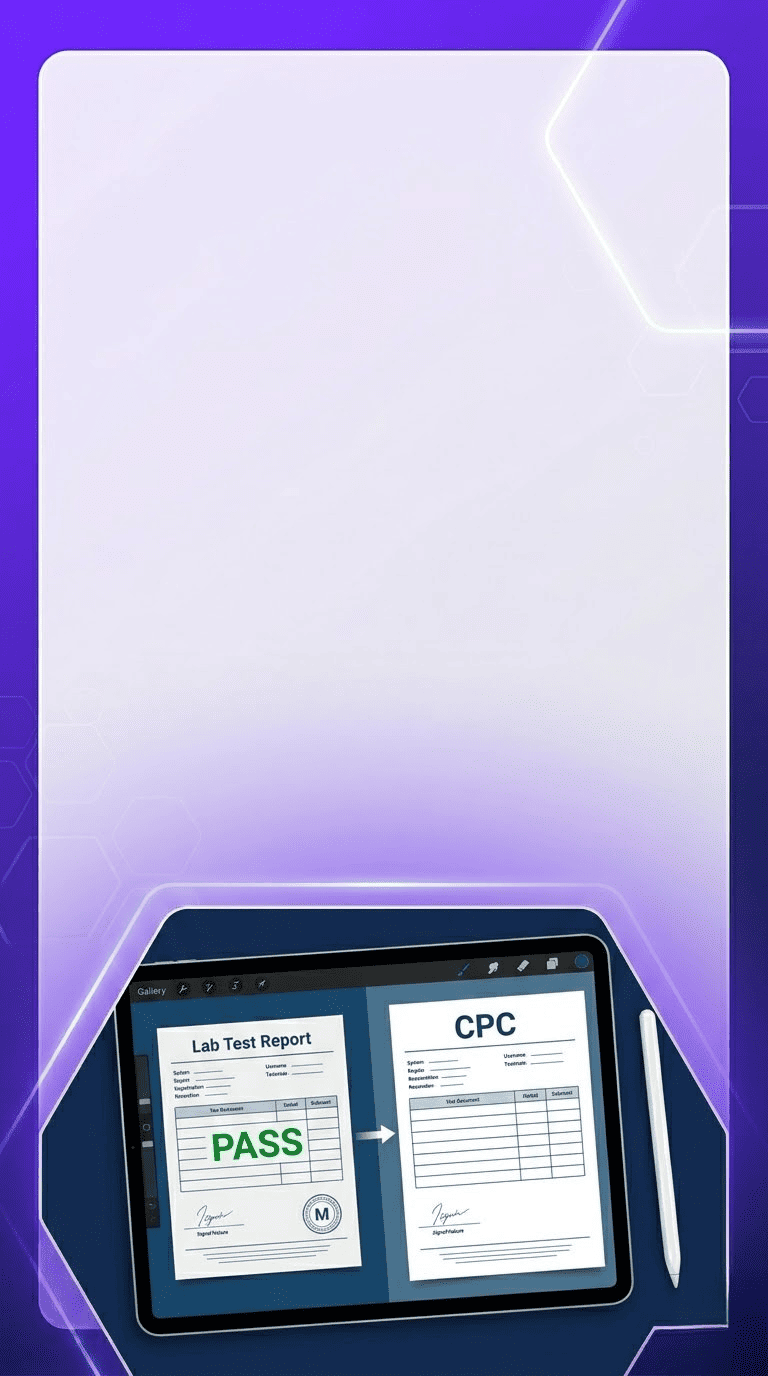
Most children’s products first need passing test results from a CPSC-accepted third-party lab, then the importer or manufacturer uses those results to draft the CPC.
If you’re a retailer or seller, ask your supplier, manufacturer, or importer directly—the CPC should be furnished to retailers and distributors.
Ask for the CPC, the matching third-party lab test reports, product details, and the exact safety rules used for certification. This is an operational best-practice summary based on CPSC requirements for certification and testing.
A real children’s product certificate is generally supported by passing third-party lab results, so missing reports are a warning sign.
Children’s products typically use a CPC, while certain non-children’s products use a General Certificate of Conformity (GCC).
Use Spocket to build a more reliable product workflow—then use a clear CPC document request process before you scale kids’ products.
Looks like your cart is empty. Why not go ahead and add some products in?
Use the following gestures to browse story content